
Language can be tricky sometimes. A single misplaced letter can completely change the meaning—or create a word that doesn’t exist at all. One common spelling confusion people encounter is “cacoon or cocoon.” If you’ve ever wondered which one is correct, you’re not alone.
The short answer is simple: “cocoon” is the correct spelling, while “cacoon” is a common misspelling. The word cocoon refers to the protective casing spun by insects like butterflies and moths during their transformation stage. But beyond biology, the term also appears in everyday language to describe comfort, protection, or isolation.
In this article, we’ll explore the correct spelling, meaning, origin, examples, and usage of cocoon, so you can confidently use the word in both writing and conversation.
What Does Cocoon Mean?
A cocoon is a protective shell or casing spun by certain insects—especially moths and caterpillars—during the pupal stage of metamorphosis. Inside this casing, the insect undergoes an incredible transformation.
Key characteristics of a cocoon:
-
Made of silk threads produced by the insect
-
Acts as a protective covering during metamorphosis
-
Commonly associated with moths, silkworms, and some butterflies
-
Helps shield the developing insect from predators and environmental damage
For example:
“The caterpillar wrapped itself in a cocoon before transforming into a moth.”
Cacoon vs Cocoon: The Correct Spelling
Let’s settle the confusion clearly.
| Word | Correct? | Meaning |
| Cocoon | Correct | Protective casing spun by insects |
| Cacoon | Incorrect | Common misspelling of cocoon |
The spelling “cacoon” does not exist in standard English dictionaries. Most of the time, people type it accidentally because of pronunciation or simple spelling mistakes.
When writing, always use cocoon.
Why People Misspell Cocoon as “Cacoon”
There are a few reasons why this spelling mistake happens frequently.
1. Pronunciation Confusion
The word cocoon is pronounced:
kuh-KOON
Because the first syllable sounds soft, some people mistakenly replace the “o” with an “a.”
2. Typing Errors
Fast typing often leads to spelling slips, especially with repeated vowels like “oo.”
3. Lack of Familiarity
Many people hear the word in documentaries or school lessons but rarely see it written.
The Life Cycle Connection: Why Cocoons Matter
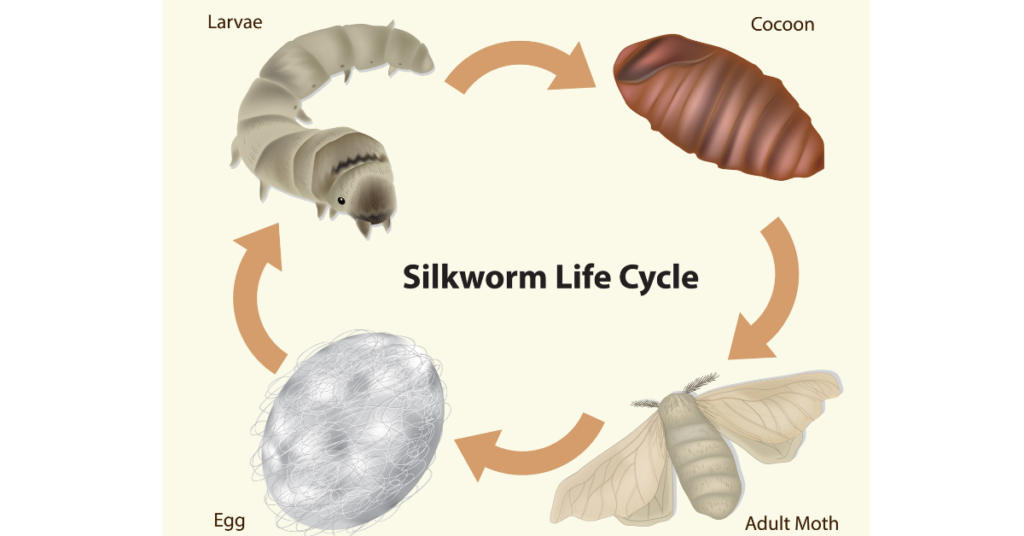
To fully understand the word cocoon, it helps to look at its role in the insect life cycle.
Many insects go through complete metamorphosis, which includes four stages:
-
Egg
-
Larva (caterpillar)
-
Pupa (inside the cocoon)
-
Adult insect
During the pupal stage, the insect hides inside the cocoon where its body reorganizes dramatically.
Inside that small casing, something remarkable happens:
a crawling caterpillar eventually becomes a flying moth or butterfly.
Cocoon in Everyday Language
Interestingly, cocoon isn’t only a biological term. It’s also widely used metaphorically.
When people say someone is “in a cocoon,” they usually mean a state of comfort, privacy, or protection.
Examples:
-
“She spent the weekend cocooned in blankets watching movies.”
-
“The resort creates a cocoon of peace away from city noise.”
In these contexts, the word suggests warmth, safety, and isolation from the outside world.
Etymology: Where the Word Cocoon Comes From
The word cocoon has a fascinating linguistic history.
It originates from the French word “cocon,” which means a protective case spun by silkworms.
The term entered English in the late 17th century, especially through discussions of the silk industry, where cocoons were harvested to produce silk threads.
Even today, silkworm cocoons remain a key source of natural silk.
Interesting Facts About Cocoons
Here are a few surprising facts about cocoons that many people don’t know:
-
Silkworm cocoons can contain up to 900 meters of silk thread.
-
Some cocoons are camouflaged with leaves or twigs for protection.
-
Not all butterflies use cocoons—many instead form a chrysalis, which is slightly different.
-
Cocoons can be soft, hard, or papery depending on the species.
Nature uses cocoons as tiny survival chambers where transformation happens safely.
Cocoon vs Chrysalis: What’s the Difference?
People often confuse these two terms.
| Feature | Cocoon | Chrysalis |
| Used by | Mostly moths | Butterflies |
| Structure | Silk casing spun by insect | Hardened body shell |
| Appearance | Often wrapped in silk | Smooth outer skin |
In simple terms:
Cocoons are silk coverings, while chrysalises are the insect’s own hardened skin.
FAQs About Cacoon or Cocoon
Is cacoon a real word?
No. “Cacoon” is not a recognized English word. It’s simply a misspelling of cocoon.
What is the correct spelling: cacoon or cocoon?
The correct spelling is cocoon.
What does cocoon mean in biology?
In biology, a cocoon is a protective silk casing spun by insects during the pupal stage of metamorphosis.
Do butterflies make cocoons?
Most butterflies form a chrysalis, not a cocoon. Cocoons are more common among moth species.
Can cocoon be used metaphorically?
Yes. In everyday language, cocoon can describe a space of comfort, protection, or isolation.
Example: “The cabin felt like a warm cocoon during the winter storm.”
Conclusion
When it comes to “cacoon or cocoon,” the correct spelling is always cocoon. While cacoon may appear in casual typing or online searches, it isn’t a valid English word.
A cocoon represents one of nature’s most fascinating processes—a safe chamber where transformation takes place. From insect biology to everyday expressions about comfort and protection, the word carries both scientific and symbolic meaning.